
Guitar Repair Near You: Find a Shop or Tech
String & Amp lists more than 3,900 guitar repair shops in all 50 states and Washington, D.C. That includes independent guitar techs and luthiers, chain stores like Guitar Center and Music & Arts, and authorized Fender, Gibson and Martin service centers.
Search by city or ZIP code below, or pick one of the cities in the list. At independent shops that post prices, a typical electric guitar setup is $88.
Find guitar repair by city
Each city page lists the shops we have there, with phone numbers, hours and the kind of work each one does. Don’t see your city? Use the search box above, or scroll down to browse shops from across the country.
- Austin guitar repair, TX
- Chicago guitar repair, IL
- Dallas guitar repair, TX
- Denver guitar repair, CO
- Houston guitar repair, TX
- Las Vegas guitar repair, NV
- Los Angeles guitar repair, CA
- Nashville guitar repair, TN
- New York guitar repair, NY
- Oklahoma City guitar repair, OK
- Philadelphia guitar repair, PA
- Portland guitar repair, OR
- San Diego guitar repair, CA
- Seattle guitar repair, WA
What guitar repair costs
Most shops don’t put prices on their websites, so we collected the ones that do. In September 2026 we checked 515 independent repair shops with websites in and around nine U.S. cities, and 102 of them posted a price we could use. Here is what those shops typically charge.
| Job | Typical price | Shops that posted it | Lowest to highest |
|---|---|---|---|
| Electric guitar setup | $88 | 69 | $40–$199 |
| Fret dress (level and crown) | $175 | 49 | $80–$350 |
| Full refret | $488 | 40 | $200–$650 |
| Nut replacement | $100 | 51 | $40–$235 |
| Saddle replacement | $80 | 17 | $30–$160 |
| Pickup install (labor) | $60 | 46 | $30–$150 |
| Electronics and soldering | $40 | 42 | $20–$160 |
Strings and parts usually cost extra, and a few shops only post a “starting at” price. Acoustic setups were typically $85 (12 shops) and bass setups $90 (12 shops). Around Chicago the typical electric setup was $70, around Nashville and Portland $90, and around Los Angeles $98.
The chains mostly don’t list prices on their store pages. Music & Arts publishes a national list: $96 for an electric guitar or bass setup and $72 for an acoustic, strings extra (prices seen October 2026).
A typical price isn’t a quote, and custom work or repairs to a damaged guitar cost more. For what a setup includes and how we gathered these numbers, read what a guitar setup and other repairs cost in 2026. The Guitar Repair Price Index has the full numbers and a ZIP code lookup.
How to choose a guitar repair shop
Match the shop to the job. For a setup, new strings or a pickup swap, a guitar tech is usually the right call. For a neck reset, a refret, a crack or a restoration, look for a luthier. Plenty of shops do both, so read the listing to see what each one says it handles.
Use an authorized center for warranty work. If your guitar is still under warranty, go to an authorized Fender, Gibson or Martin service center. An independent shop can’t handle a warranty claim. Once the warranty is over, plenty of independent techs know these brands well.
Ask about your instrument. Most shops that work on guitars also set up basses, but not every shop takes a five-string, a fretless or an upright. Ask when you call.
Ask what the price includes. “Setup” means different things at different shops. Find out whether new strings, fret work or an intonation adjustment are in the quote, and get an estimate in writing before you approve the work.
Call before you go. Only about one in five of the independent shops we checked posted prices on their websites, so expect to make a phone call. Hours and services change, so confirm the address and hours before you drive over.
Kinds of guitar repair, and who does them
General repairs cover setup and everyday maintenance: string action, truss rod and intonation adjustments, nut slot filing, pickup height, restringing and fretboard cleaning. That’s the work that keeps a guitar playing well and holding its tuning.
Guitar restoration and refinishing and custom and boutique builds are luthier territory: vintage restoration, custom pickup and wiring configurations, modifications and fully bespoke guitars built to your specifications.
Authorized service centers handle warranty repairs with original manufacturer specs and genuine parts. That covers Fender (Squier, Gretsch, Jackson, Charvel, EVH, Bigsby), Gibson (Epiphone, Kramer, Steinberger) and Martin. In Dallas, almost half of the listed shops offer authorized Fender, Gibson or Martin service; see guitar repair in Dallas.
Bass guitar repair and setups
Basses need the same care as guitars, but heavier strings and longer necks put more pull on the neck, so truss rod, action and intonation work takes a little more care. Most shops that work on guitars also set up basses. The shops that posted a bass setup price charged a typical $90 (12 shops), about the same as an electric guitar setup.
If you play a five string, a fretless or an upright bass, ask when you call whether the shop works on that kind of bass. Not every shop does.
If your amp needs work too, see our amp repair shops. Got a pedal that crackles or won’t switch on? Our guitar pedal repair guide covers common fixes and what they cost.
Sorry, no records were found. Please adjust your search criteria and try again.
Sorry, unable to load the Maps API.
A sample of the shops we list
These are a dozen of the guitar repair shops in the directory. Use “View all” at the bottom for the full list.

Contact Portland Fret Works
Contact the shop directly. String & Amp is a directory, not a repair shop.

Contact Guitar House of Tulsa
Contact the shop directly. String & Amp is a directory, not a repair shop.

Contact Dietze Music (Gateway)
Contact the shop directly. String & Amp is a directory, not a repair shop.

Contact Fort Wayne Guitar Exchange
Contact the shop directly. String & Amp is a directory, not a repair shop.
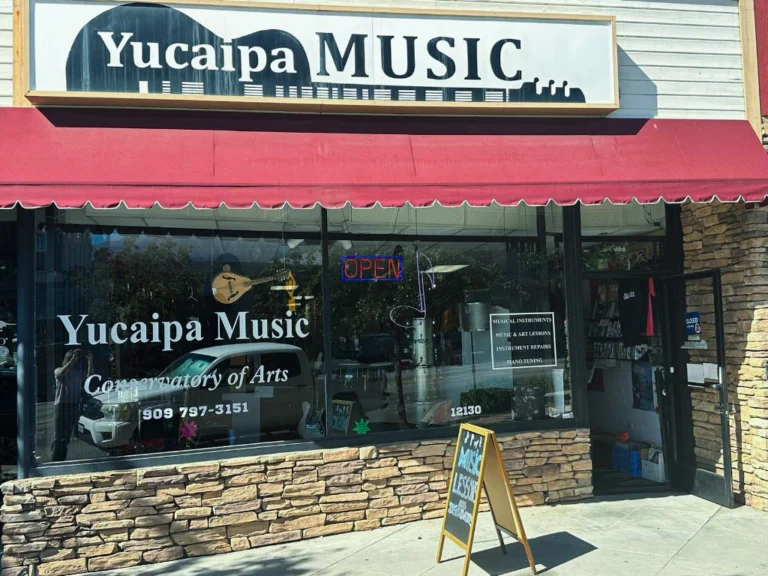
Contact Yucaipa Music | Band Instrument Rentals
Contact the shop directly. String & Amp is a directory, not a repair shop.
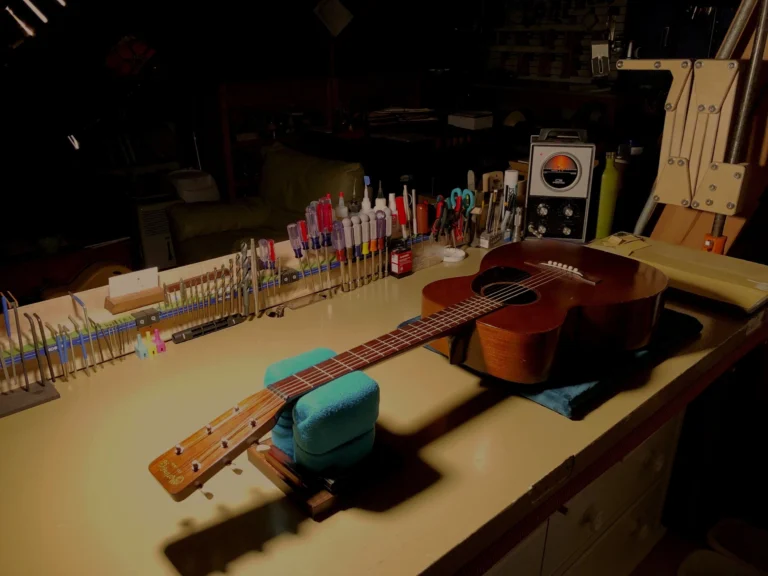
Contact Stone’s Guitar Repair
Contact the shop directly. String & Amp is a directory, not a repair shop.

Contact Wild Acoustic Music Co.
Contact the shop directly. String & Amp is a directory, not a repair shop.

Contact Bounty Music
Contact the shop directly. String & Amp is a directory, not a repair shop.

Contact Quintana’s Music Center
Contact the shop directly. String & Amp is a directory, not a repair shop.

Contact Carl’s Custom Guitars
Contact the shop directly. String & Amp is a directory, not a repair shop.

Contact H&H Music Store (Shenandoah)
Contact the shop directly. String & Amp is a directory, not a repair shop.
Contact Guitar Center
Contact the shop directly. String & Amp is a directory, not a repair shop.
Frequently Asked Questions
How do I find a guitar repair shop near me?
Search by city or ZIP code with the box at the top of this page, or choose a city from the list. Most listings show the shop’s phone number, website, hours and directions, along with the kind of repair work it does. Call to confirm the shop takes your type of guitar and ask what the job will cost before you drop it off.
How much does guitar repair cost?
It depends on the job and the shop. In September 2026 we looked at the prices independent shops in and around nine U.S. cities posted on their own websites, and the typical price for an electric guitar setup was $88 (posted prices ran from $40 to $199). Fret work costs more. A fret dress (level and crown) was typically $175 (posted prices ran from $80 to $350), and a full refret $488 (from $200 to $650). A nut replacement was typically $100 (from $40 to $235), and a pickup install $60 in labor (from $30 to $150). Parts usually cost extra. For acoustic and bass setups, setup prices in four cities, and amp repair, see what a guitar setup and other repairs cost in 2026.
What does a guitar setup include?
A setup adjusts the guitar so it plays well: string height, intonation and neck relief, with a general check so everything feels right. That usually means a truss rod adjustment and some nut slot filing where needed. Strings often cost extra. Fret leveling, a new nut or crackling electronics are separate jobs and cost more on top of the setup. Shops that post prices typically charge $88 for an electric guitar setup.
What is a guitar repair person called?
Usually a guitar tech or a luthier. A guitar tech specializes in setups, electronics work and everyday maintenance. A luthier builds and fully restores stringed instruments by hand, so that’s who you want for complex structural work, vintage restoration or custom builds. Luthier certifications do exist, but they aren’t required, and many luthiers learned through years of experience and apprenticeships.
Can a broken guitar be fixed?
Often, yes. Cracks in an acoustic guitar, a loose bridge, a broken headstock and a neck that needs resetting are all repairs luthiers do regularly, and a luthier is usually the right choice for structural damage. The cost depends on the guitar and the damage, so ask for a written estimate before you authorize work, and on an inexpensive guitar ask whether the repair would cost more than the guitar is worth.
What are the typical repair services a guitar shop handles?
A guitar repair shop handles everything from routine maintenance to complex restoration work. The most common services include:
- Guitar setups and intonation: string height, truss rod adjustments, and nut slot filing to get your guitar playing comfortably. See what a guitar setup includes and costs.
- Fret work: fret leveling, dressing, and full refrets when the frets are worn flat.
- Electronics: pickup swaps, pot and switch replacements, output jack repairs, and full rewires.
- Structural repair: acoustic crack repair, bridge regluing, headstock breaks, and neck resets.
- Custom and vintage work: custom guitar builds and boutique restoration by specialist luthiers.
- Authorized warranty service: Fender, Gibson, and Martin factory-certified service centers for warranty-covered repairs using original parts.
Luthier, guitar tech, or service center: which do you need?
A luthier builds or restores instruments by hand and handles the most complex work: neck resets, refretting, hand-carved nut and saddle replacements. A guitar tech specializes in setups, electronics, and keeping working instruments playing well, often with faster turnaround and lower prices for everyday maintenance. An authorized service center is certified by a specific manufacturer (Fender, Gibson, Martin) to handle warranty repairs using factory parts, which is essential if your guitar is still under warranty.
How often should I get a guitar setup?
Most guitars benefit from a setup once or twice a year. When seasons change, after a string gauge change, or when you notice buzzing or high action.
It’s worth getting a new guitar set up properly. Most shops do this as part of the sale, but if you’re buying secondhand, have someone set it up after you buy it.
Can Guitar Center do guitar repairs?
Yes, most (though not all) Guitar Center locations have an in-house guitar tech who handles setups, basic repairs, and restrings. Some local luthiers may operate out of (or contract with) Guitar Center vs. having their own shop.
Do authorized service centers cost more than independent shops?
It depends.
Authorized centers charge standard rates set by the manufacturer and only use original parts. An independent shop may charge less but can’t handle warranty claims. For in-warranty repairs, always go authorized, and depending on the warranty, parts and labor may be covered.
The added benefit of an authorized service center is that manufacturers will validate and certify luthiers and technicians to work on their gear.
How do you curate String & Amp listings?
String & Amp is a one-man show, so I can’t visit every shop. Hours, contact details and services come from public listings and the shops’ own websites, and I fix mistakes when a shop or a visitor tells me. Shops do change things, so check the shop’s own website or call before you go.